
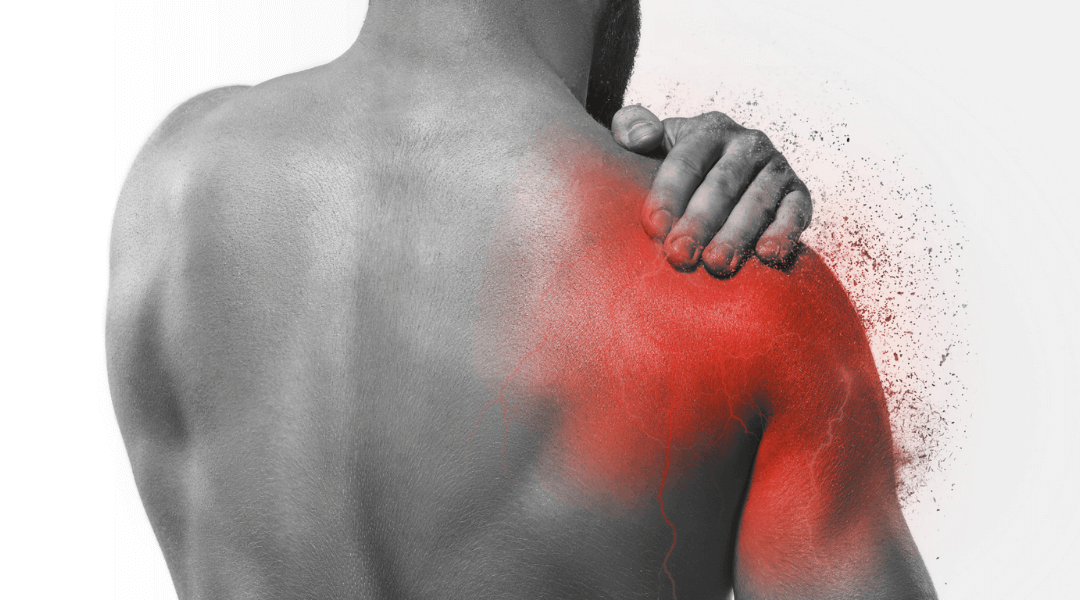
A frozen shoulder, also known as adhesive capsulitis, causes pain and limited shoulder movement due to inflammation and scar tissue in the joint. Hydrodilatation is an effective treatment that reduces pain and improves shoulder mobility. In this guide, we’ll delve deeper into this procedure.
Definition of Frozen Shoulder:
Frozen shoulder, or adhesive capsulitis, is a condition characterized by long-lasting pain and difficulty performing everyday tasks. It can last up to five years and significantly impact your quality of life.
Hydrodilatation Treatment:
Hydrodilatation is an outpatient procedure performed to alleviate frozen shoulder pain. The procedure involves injecting a combination of steroids and local anesthetic into the affected shoulder. This reduces pain and inflammation. Additionally, a saline solution is injected into the joint lining to stretch it from the inside and break down scar tissue. Hydrodilatation is often combined with physiotherapy to restore shoulder movement and improve overall function.
Benefits of Hydrodilatation:
Hydrodilatation provides significant benefits for frozen shoulder patients. Approximately 9 out of 10 individuals experience reduced pain, while 7 out of 10 see improved movement. Some people notice immediate improvements, while others may take a bit longer to experience the benefits. A follow-up meeting with a physical therapist is scheduled to assess progress after the procedure.
Risks of Hydrodilatation:
Hydrodilatation is generally a safe procedure with minimal risks. However, there is a slight chance of infection, which can be treated with antibiotics and joint cleaning. In rare cases, individuals may have an allergic reaction to the steroid, resulting in a temporary rash lasting about a week.
What to Expect during the Procedure:
The procedure typically lasts around 25 minutes and takes place in a specialized clinic or hospital outpatient department. It is recommended to take your regular pain medication prior to the appointment and inform the healthcare provider if you are taking blood-thinning medication.
During the procedure, you may feel pressure and some pain as the shoulder lining stretches, but the discomfort should subside shortly afterward.
Appointment Details:
Before the procedure, the doctor will explain the process and may request your consent. An X-ray or ultrasound will be used to ensure the needle is accurately placed. After cleaning the skin, a local anesthetic will be injected to numb the area. Once effective, the needle will be inserted into the joint, which may cause a slight pushing sensation.
A three-way connecting tube will be attached to the needle, and a dye solution will be injected into the joint to confirm the needle’s position on an X-ray. You may experience temporary tightness or heaviness in the joint, but it should dissipate quickly.
Next, a mixture of steroid, local anesthetic, and saline solution will be injected into the joint, causing a sensation of tightness or pressure. Once completed, the needle and syringes will be removed, and a plaster will be applied to the wound. It is crucial to keep the area clean and dry for a few hours following the procedure.
Post-Procedure Instructions:
After the procedure, you may experience temporary numbness or a heavy feeling in the shoulder joint, but these sensations will fade over time. You can return home after 15-30 minutes, but refrain from driving. Numbness should disappear within a few hours and be completely gone the next day.
To prevent stiffness, continue using your shoulder joint as usual, but avoid heavy exercises or putting excessive pressure on the treated shoulder for 24-48 hours. You may experience a temporary increase in pain once the anesthesia wears off, but it will improve. Remember to continue with physiotherapy to aid in your recovery.
Conclusion
If you are experiencing symptoms of frozen shoulder or persistent shoulder pain, it’s crucial to seek professional help to determine the cause and explore appropriate treatment options. At Acorn Private Clinic, our team of experts provides comprehensive services, including shoulder hydrodilatation. Early diagnosis and treatment lead to better outcomes, allowing you to return to normal activities as soon as possible. Contact us today to discuss your condition and the available treatment options, including services such as pelvic, ovarian, and uterine ultrasounds.