
| Quick answer A bone density report gives you a T-score (your bone density compared with a healthy young adult) and a Z-score (compared with people your own age and sex). A T-score of -1.0 or above is normal, between -1.0 and -2.5 is osteopenia (lower than normal), and -2.5 or below is osteoporosis. The score is only part of the picture: your doctor also considers your age, fracture history and other risk factors before recommending anything. |
What does a bone density scan measure?
A bone density scan estimates how much mineral your bones contain at the sites where fractures matter most: the lumbar spine and the neck of the femur (the top of the thigh bone at the hip). Lower density means bones are more likely to break from a minor fall or even everyday movement.
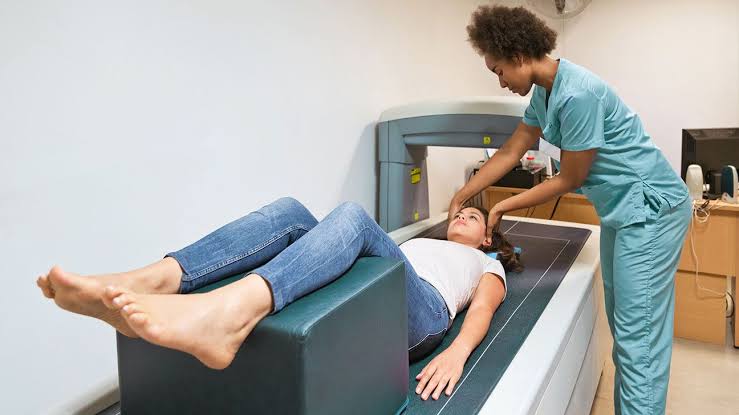
Acorn offers a radiation-free REMS bone density scan that uses ultrasound rather than X-rays. It scans both sites in one appointment and reports T-scores and Z-scores, plus a fragility score the clinic describes as a measure of bone quality. Appointments are for adults aged 20 and over.
What is a T-score?
The T-score compares your bone density with the average for a healthy young adult. The World Health Organization categories are used worldwide:
| T-score | Category | What it generally means |
| -1.0 or higher | Normal | Bone density is within the expected range for a healthy young adult. |
| Between -1.0 and -2.5 | Osteopenia | Lower than normal but not yet osteoporosis. A chance to protect your bones early. |
| -2.5 or lower | Osteoporosis | Bones are more fragile and fracture risk is higher. Medical review is advised. |
These categories are used mainly for postmenopausal women and men aged 50 and over. Interpretation can differ in younger adults, which is another reason to discuss your result with a doctor.
What is a Z-score?
The Z-score compares your bone density with people of the same age, sex and size. A Z-score well below average, often described as -2.0 or lower, suggests that something other than normal ageing may be affecting your bones. Doctors then look for causes such as hormone problems, vitamin D deficiency, coeliac disease, long-term steroid use or other conditions.
What is the difference between osteopenia and osteoporosis?
Osteopenia means your bone density is lower than normal. Osteoporosis means it has fallen further and fracture risk is significantly higher. Not everyone with osteopenia goes on to develop osteoporosis, but it is a useful early warning. The two are separated by your T-score, though a doctor will also consider whether you have already had a fragility fracture.
What should I do after getting my results?
If your result is normal
• Keep up weight-bearing exercise such as walking, jogging, dancing or strength training
• Aim for around 700mg of calcium a day from food, which the NHS gives as the adult recommendation
• Consider a 10 microgram vitamin D supplement in autumn and winter, as NHS guidance suggests
• Avoid smoking and keep alcohol within the NHS limit of 14 units a week
If your result shows osteopenia
• Talk to a doctor about your wider risk factors, such as family history, early menopause or long-term steroid use
• Review your diet, activity and vitamin D levels
• Ask whether a blood screen for bone health would help rule out underlying causes
• Plan a repeat scan so you can see whether your density is stable
If your result shows osteoporosis
• Book a medical review soon. A private GP consultation or your own GP can discuss treatment options
• Doctors often estimate your 10-year fracture risk using a tool such as FRAX, which combines your score with other factors
• Ask about medication, calcium and vitamin D, and falls prevention
Who should think about a bone density scan?
Acorn lists the following groups as people for whom it is worth knowing their bone health:
• Women after the menopause, particularly over 50, or those with an early menopause before 45. See Acorn’s Women’s Health service
• Anyone with a family history of osteoporosis or a previous fragility fracture
• People on long-term steroids
• Smokers and people who drink a lot of alcohol
• People monitoring HRT or osteoporosis treatment
• Anyone who wants a baseline for healthy ageing
How is REMS different from a DEXA scan?
DEXA (or DXA) uses a low dose of X-ray radiation and is the long-established standard in UK osteoporosis guidance. REMS uses ultrasound, so there is no radiation, and Acorn says it can be used during pregnancy and repeated as often as clinically useful. REMS results are reported as T-scores and Z-scores so they can be read in the same way. If you already have DEXA results, bring them so your doctor can compare. If you have been told you need a DEXA specifically for a treatment decision, ask your doctor which scan they want.
How often should I repeat a bone density scan?
Acorn suggests every 2 to 3 years for most people, and about once a year if you are on treatment such as HRT or bisphosphonates so your response can be tracked. Your doctor may advise a different interval.
When should I see a doctor about my bones?
• A fracture after a minor fall or bump
• Sudden, new back pain, especially if it comes with loss of height or a stooped posture
• Several risk factors and no assessment yet
If you have a suspected fracture after a fall, seek urgent medical help through A&E or 111.
Booking a scan at Acorn
You can self-refer for a REMS bone density scan online or by calling 029 2199 9300. The scan takes 10 to 15 minutes, you stay clothed, and you are given verbal results at the appointment. The written report follows within a day or two. The clinic suggests fasting for four hours beforehand if possible. Scans are available at Penarth and Cowbridge. If you have joint pain alongside bone concerns, the Orthopaedics Clinic may also be relevant.
Frequently asked questions
What does a T-score of -2.5 mean?
A T-score of -2.5 or lower is the threshold for osteoporosis. It means your bone density is well below that of a healthy young adult and your fracture risk is higher. A doctor will discuss treatment with you.
What is the difference between a T-score and a Z-score?
A T-score compares your bone density with a healthy young adult. A Z-score compares it with people of your own age and sex. A very low Z-score can suggest an underlying cause other than normal ageing.
Is osteopenia serious?
Osteopenia is not osteoporosis, but it means your bones are less dense than normal. It is a good time to review exercise, diet and vitamin D, and to discuss your risk factors with a doctor.
Can bone density improve?
Bone density can stabilise or improve with the right measures, including exercise, adequate calcium and vitamin D, and medication where appropriate. A repeat scan shows how you are responding.
Do I need a GP referral for a bone density scan at Acorn?
No. You can self-refer by booking online or calling 029 2199 9300. Bring any previous DEXA reports if you have them.
Is a REMS scan safe?
REMS uses ultrasound rather than X-rays, so there is no radiation. Acorn states it can also be used in pregnancy. REMS scans at Acorn are for patients aged 20 and over.